Empower Your Future With Our Electrical Products

Innovative, reliable, and efficient solutions at your fingertips.


17Jul

Walk onto a busy construction site, a manufacturing plant, or an offshore facility, and one thing quickly becomes clear—equipment is expected to perform under pressure. Heavy machinery operates for long hours, cables are dragged across rough surfaces, and exposure to moisture, oil, chemicals, and extreme temperatures is part of everyday life. 

In these demanding environments, standard electrical cables often struggle to keep up. Cracked insulation, damaged conductors, and frequent replacements can lead to costly downtime and safety concerns. That's why many UK businesses turn to experienced flexible rubber cable suppliers for durable cable solutions designed to withstand challenging industrial conditions. 

Flexible rubber cables have earned a strong reputation for their resilience, reliability, and long service life. They are built to keep operations running safely, even when conditions are far from ideal.

What Makes Flexible Rubber Cables Different?

Unlike conventional PVC cables, flexible rubber cables are manufactured with specialised rubber insulation and sheathing that provide enhanced durability and flexibility. This unique construction allows the cable to bend repeatedly without compromising its performance.

They are commonly used to power portable equipment, heavy machinery, generators, pumps, cranes, and temporary electrical installations where constant movement and harsh conditions are unavoidable.

For industries that rely on uninterrupted power, choosing quality products from trusted flexible rubber cable suppliers can make a significant difference to operational reliability.

Built to Handle Tough Working Conditions

Industrial environments expose electrical cables to far more than just electrical loads. Daily wear and tear can quickly shorten the lifespan of lower-quality products.Flexible rubber cables are specifically designed to resist:

  • Mechanical impact
  • Abrasion from rough surfaces
  • Moisture and water ingress
  • Oil and grease
  • UV exposure
  • Chemicals
  • Extreme hot and cold temperatures

This combination of protective features makes them suitable for some of the UK's most demanding workplaces.

Exceptional Flexibility Improves Performance

One of the biggest advantages of flexible rubber cables is exactly what their name suggests—flexibility.Many industrial applications involve equipment that moves continuously throughout the day. Cranes lift heavy materials, portable tools are repositioned regularly, and machinery vibrates during operation.Traditional cables may become stiff or develop cracks after repeated bending. Flexible rubber cables maintain their performance despite constant movement, reducing the likelihood of cable failure.This flexibility also makes installation easier, particularly in confined spaces or temporary work sites where cables need to be routed around obstacles.

Enhanced Safety in Challenging Environments

Electrical safety remains a priority across every industry.Damaged cable insulation can expose workers to electrical hazards while increasing the risk of equipment failures and costly downtime.High-quality flexible rubber cables help minimise these risks by maintaining strong insulation even under demanding operating conditions.Their durable outer sheath also provides additional protection against accidental cuts, impacts, and environmental damage.For businesses focused on workplace safety, selecting products from reliable flexible rubber cable suppliers supports both operational efficiency and employee protection.

Longer Service Life Means Lower Costs

While flexible rubber cables may require a higher initial investment than standard alternatives, they often deliver significant long-term savings.Because they resist wear more effectively, businesses typically benefit from:

  • Fewer cable replacements
  • Reduced maintenance costs
  • Less unexpected downtime
  • Improved equipment reliability
  • Lower lifecycle costs

Instead of replacing damaged cables several times each year, organisations can rely on products that continue performing under demanding conditions for much longer.This makes them a cost-effective solution for industrial operations where equipment reliability directly affects productivity.

Common Industries That Depend on Flexible Rubber Cables

Across the UK, flexible rubber cables support a wide range of industries where reliability cannot be compromised.These include:

  • Construction
  • Manufacturing
  • Mining
  • Marine and offshore operations
  • Renewable energy
  • Utilities
  • Rail infrastructure
  • Entertainment and event power distribution

Each of these sectors faces unique environmental challenges, making durable cable solutions an essential part of daily operations.

Supporting the UK's Expanding Industrial Sector

As industrial technology continues to evolve, electrical infrastructure must keep pace.Automation, renewable energy projects, and advanced manufacturing all place greater demands on electrical systems than ever before.Modern machinery often operates continuously with minimal downtime, increasing the importance of dependable cable performance.At the same time, businesses are looking for products that offer better durability and reduced maintenance requirements. Flexible rubber cables align perfectly with these goals by combining performance, longevity, and safety in a single solution.

Choosing the Right Cable Supplier

Not every cable supplier offers the same level of product quality or technical expertise.When evaluating flexible rubber cable suppliers, businesses should consider factors such as:

  • Product certification and compliance
  • Cable performance specifications
  • Technical guidance
  • Industry experience
  • Stock availability
  • Reliable delivery
  • After-sales support

Working with a knowledgeable supplier helps ensure the correct cable is selected for each application, reducing the risk of premature failures and unnecessary costs.

Final Thoughts

Industrial environments demand electrical components that can perform consistently under difficult conditions. Flexible rubber cables provide the strength, flexibility, and durability needed to keep machinery operating safely while reducing maintenance costs and unplanned downtime.By partnering with experienced flexible rubber cable suppliers, businesses can invest in reliable cable solutions that improve operational efficiency, enhance workplace safety, and deliver long-term value. If you're planning an industrial project or upgrading your electrical infrastructure, choosing high-quality flexible rubber cables is a practical investment that will continue to pay off for years to come.

Frequently Asked Questions

Where are flexible rubber cables most commonly used?

They are widely used in construction, manufacturing, mining, marine environments, renewable energy projects, portable equipment, generators, and heavy industrial machinery.

Are flexible rubber cables suitable for outdoor applications?

Yes. Their durable insulation provides excellent resistance to moisture, UV exposure, and varying weather conditions, making them suitable for many outdoor industrial environments.

Why are flexible rubber cables preferred over standard PVC cables?

Flexible rubber cables offer superior flexibility, better resistance to abrasion, chemicals, oil, and extreme temperatures, making them more suitable for demanding industrial applications.
26Jun

Choosing the right cable supplier is just as important as selecting the right cable itself. Industrial projects, construction sites, manufacturing facilities, and commercial installations all depend on reliable electrical products that meet safety and performance standards. With many flexible rubber cable suppliers available in the market, comparing them carefully before making a purchase can help you avoid quality issues, unexpected costs, and project delays.

By evaluating suppliers based on product quality, certifications, pricing, and customer support, businesses can make a confident investment that delivers long-term value.

Assess Product Quality

The first factor to consider when comparing flexible rubber cable suppliers is the quality of their products. High-quality rubber cables are designed to withstand frequent bending, mechanical stress, moisture, oils, chemicals, and extreme temperatures.

Look for suppliers that offer cables manufactured using premium insulation and durable outer sheaths. Well-made cables provide better flexibility, longer service life, and improved safety in demanding environments.

Requesting product specifications or technical data sheets can help verify whether the cables meet your project's performance requirements.

Check Industry Standards and Certifications

Reliable suppliers provide products that comply with recognized national and international safety standards. Certified cables have undergone testing for electrical performance, insulation quality, fire resistance, and environmental durability.

When reviewing flexible rubber cable suppliers, ask about the certifications their products carry. Compliance with industry regulations ensures that the cables are suitable for commercial and industrial applications while reducing potential safety risks.

Certified products also provide greater confidence during inspections and large-scale installation projects.

Evaluate Product Range

Different projects require different cable types, sizes, and voltage ratings. A supplier with a broad product portfolio can simplify purchasing by providing multiple cable solutions from a single source.

Choose flexible rubber cable suppliers that offer cables for construction equipment, welding machines, mining operations, portable tools, generators, industrial machinery, and outdoor installations.

Working with a supplier that maintains a wide inventory also helps reduce procurement time and ensures faster delivery when urgent replacements are needed.

Compare Pricing Without Sacrificing Quality

Price is always an important consideration, but choosing the lowest-cost option may lead to higher expenses later if the cables fail prematurely.

Compare pricing alongside product quality, warranty, and expected lifespan. Higher-quality cables often deliver better long-term value by reducing maintenance costs, minimizing downtime, and lowering replacement frequency.

Request quotations from multiple flexible rubber cable suppliers and compare the overall package rather than focusing solely on the purchase price.

Review Supplier Experience and Reputation

Experience plays an important role in supplier reliability. Established suppliers typically have a better understanding of industry requirements and can recommend suitable cable solutions for different applications.

Check customer reviews, testimonials, and case studies to understand the supplier's reputation. Positive feedback regarding product quality, delivery performance, and after-sales support is a strong indicator of dependable service.

Long-standing suppliers are also more likely to maintain consistent product availability and technical expertise.

Consider Customer Support and Technical Assistance

Good customer service can make a significant difference during the buying process. Professional suppliers assist customers with product selection, technical specifications, installation guidance, and troubleshooting.

Reliable flexible rubber cable suppliers respond promptly to inquiries and help customers choose cables that match their operational requirements.

Strong technical support also becomes valuable when handling complex industrial projects or custom cable specifications.

Delivery and Inventory Availability

Project schedules often depend on timely material delivery. Before placing an order, confirm the supplier's inventory levels, lead times, and shipping capabilities.

Suppliers with well-managed stock and efficient logistics can reduce project delays and ensure that replacement cables are available when needed.

Consistent availability is especially important for businesses managing ongoing industrial operations.

Conclusion

Selecting the right flexible rubber cable suppliers requires more than comparing prices. Product quality, certifications, technical expertise, inventory, customer service, and delivery reliability all contribute to a successful purchasing decision. By carefully evaluating each supplier, businesses can invest in durable rubber cables that provide safe electrical performance, long service life, and dependable operation across a wide range of industrial and commercial applications.

30May

In industrial environments, electrical cables must withstand harsh conditions such as heat, vibration, and mechanical stress. Heat resistant flexible rubber cables are specially designed to perform under such demanding conditions. They offer durability, flexibility, and safety, making them ideal for factories, construction sites, and heavy machinery operations.

Why Heat Resistance Matters

Industrial machines often generate high temperatures during operation. Ordinary cables may melt, crack, or lose insulation integrity under such conditions. Heat resistant rubber cables are designed with special compounds that allow them to maintain performance even in high-temperature environments, ensuring uninterrupted power supply.

Flexibility for Industrial Applications

One of the biggest advantages of rubber cables is flexibility. Unlike rigid wiring, these cables can bend and move easily without breaking or damaging internal conductors. This makes them suitable for portable tools, machinery connections, and dynamic equipment where movement is constant.

Safety in Harsh Environments

Safety is a major concern in industrial wiring. Rubber insulated cables provide excellent protection against electric shock, moisture, oil, and abrasion. Their tough outer sheath ensures that internal conductors remain protected even in rough working conditions, reducing the risk of electrical hazards.

Importance in Heavy Industries

Industries such as construction, mining, manufacturing, and engineering rely heavily on durable electrical cables. Heat resistant flexible cables are essential in these sectors because they can withstand heavy mechanical stress while maintaining consistent electrical performance.

Role of Reliable Suppliers

Choosing trusted suppliers is critical when sourcing industrial cables. High-quality flexible rubber cable suppliers ensure that cables meet international safety standards and performance requirements. Reliable suppliers also provide consistency in quality, which is important for large-scale industrial projects.

Durability and Long Service Life

Rubber cables are known for their long service life due to their strong insulation and resistance properties. They can withstand exposure to sunlight, chemicals, oil, and extreme temperatures without degrading quickly. This reduces maintenance costs and replacement frequency.

Conclusion

Heat resistant flexible rubber cables are essential for safe and efficient industrial electrical systems. Their durability, flexibility, and safety features make them ideal for demanding environments. Partnering with trusted rubber cable suppliers like Raiden Electric rubber cables ensures reliable performance, safety, and long-term value in industrial applications.

28Apr

A distribution board is one of the most important components in any electrical system. Whether in homes, commercial buildings, or industrial setups, distribution boards play a key role in managing and distributing electricity safely. Understanding how they work and choosing the right type can improve both safety and efficiency.

What Is a Distribution Board?

A distribution board (DB), also known as an electrical panel, is a unit that divides the main power supply into multiple circuits. Each circuit is protected by a fuse or circuit breaker, ensuring that electrical faults do not affect the entire system.In simple terms, a distribution board acts as the control center of your electrical system. It distributes electricity to different areas while protecting appliances and wiring from overloads and short circuits.

Types of Distribution Boards

There are several types of distribution boards, each designed for specific applications:

1. Main Distribution Board (MDB)

This is the primary board that receives power directly from the main supply. It distributes electricity to sub-boards or different sections of a building.

2. Sub Distribution Board (SDB)

Sub distribution boards receive power from the MDB and further divide it into smaller circuits. They are commonly used in large buildings.

3. Final Distribution Board

This type supplies power directly to end-use devices like lights, fans, and sockets.

4. Single Door Distribution Board

These are compact and ideal for residential use where space is limited.

5. Double Door Distribution Board

Designed for industrial and commercial environments, these boards provide extra protection and better organization.

Key Components of a Distribution Board

To understand how a distribution board works, it’s important to know its main components:

  • Main Switch: Controls the overall power supply
  • Circuit Breakers (MCBs): Protect individual circuits
  • Residual Current Devices (RCDs): Prevent electric shocks
  • Bus Bars: Distribute power to different circuits

Each component plays a crucial role in maintaining safety and efficiency.

Uses of Distribution Boards

Distribution boards are widely used across different sectors:

Residential Buildings

They manage power distribution for lighting, appliances, and sockets in homes.

Commercial Spaces

Offices, malls, and hotels rely on distribution boards for organized power management.

Industrial Applications

Factories and plants use heavy-duty distribution boards to handle high electrical loads.

Outdoor Installations

Weatherproof distribution boards are used for outdoor lighting and construction sites.

Advantages of Distribution Boards

Using a high-quality distribution board offers several benefits:

1. Enhanced Safety

Distribution boards protect against overloads, short circuits, and electrical faults, reducing the risk of fire and damage.

2. Efficient Power Distribution

They ensure electricity is distributed evenly across all circuits.

3. Easy Maintenance

Faulty circuits can be easily identified and repaired without affecting the entire system.

4. Flexibility

Modern distribution boards allow easy expansion as power requirements grow.

5. Improved Organization

They keep wiring and connections neat and structured.

How to Choose the Right Distribution Board

When selecting a distribution board, consider the following:

  • Load Requirement: Choose a board that can handle your power needs
  • Number of Circuits: Ensure it has enough capacity for current and future use
  • Safety Features: Look for advanced protection like RCDs and surge protection
  • Quality and Certification: Always choose certified and reliable products
  • Installation Environment: Select weatherproof models for outdoor use

Common Mistakes to Avoid

Avoid these mistakes when buying or installing a distribution board:

  • Choosing a board with insufficient capacity
  • Ignoring safety standards
  • Poor installation practices
  • Using low-quality components

These errors can lead to serious safety risks and higher maintenance costs.

Final Thoughts

A distribution board is the backbone of any electrical system. From ensuring safety to managing power efficiently, its role cannot be overlooked. By understanding the different types, uses, and advantages, you can make a smarter decision when selecting the right distribution board for your needs.Investing in a high-quality distribution board not only protects your equipment but also ensures long-term reliability and peace of mind.

25Mar

In industries where safety, durability, and performance are non-negotiable, choosing the right flexible rubber cable suppliers can significantly impact your operations. Whether you're in construction, manufacturing, mining, or utilities across the United Kingdom, cables are not just components—they are critical infrastructure.

But with countless suppliers in the market, how do you identify one that’s truly reliable for a long-term partnership? This guide breaks down the essential factors that define a dependable supplier and helps you make an informed, strategic choice.

1. Proven Quality Standards and Certifications

Reliable suppliers don’t just claim quality—they demonstrate it through certifications and compliance. In the UK, adherence to standards such as BS (British Standards)IEC, or ISO certifications is a strong indicator of credibility.

High-quality flexible rubber cables are designed to withstand:

  • Extreme temperatures
  • Mechanical stress
  • Chemical exposure

According to industry data, cable failures account for nearly 30% of electrical downtime in industrial environments, making quality assurance a top priority.

What to look for:

  • ISO 9001 certification
  • Third-party testing reports
  • Compliance with UK and EU regulations

2. Consistent Product Performance

A reliable supplier ensures consistency across every batch of cables. Variability in insulation thickness, conductor quality, or flexibility can lead to operational risks and increased maintenance costs.

Long-term partners invest in:

  • Advanced manufacturing processes
  • Strict quality control systems
  • Continuous product testing

This consistency ensures that your projects remain on schedule without unexpected disruptions.

3. Strong Industry Experience

Experience matters—especially in technical industries. Established flexible rubber cable suppliers understand the evolving demands of sectors like construction, railways, and energy.

A supplier with years of experience can:

  • Recommend the right cable types for specific applications
  • Anticipate challenges
  • Offer practical, field-tested solutions


A report by the Electrical Contractors' Association (ECA) highlights that experienced suppliers reduce procurement risks by up to 25%.

4. Customization Capabilities

Every project is unique. Whether you need cables for heavy-duty industrial machinery or specialized outdoor applications, customization is key.

Reliable suppliers offer:

  • Tailored cable designs
  • Specific voltage ratings
  • Custom insulation materials

This flexibility allows businesses to optimize performance while maintaining safety standards.

5. Transparent Pricing and Supply Chain Stability

Pricing transparency is a hallmark of trustworthy suppliers. Hidden costs or inconsistent pricing can disrupt budgeting and project planning.

Additionally, supply chain reliability is critical—especially in today’s volatile global market.

Key indicators of reliability:

  • Clear quotations with no hidden charges
  • Stable inventory levels
  • On-time delivery records

In the UK market, delays in cable supply can lead to project overruns costing thousands of pounds per day.

6. Technical Support and After-Sales Service

A strong partnership goes beyond the initial purchase. The best flexible rubber cable suppliers provide ongoing support to ensure optimal usage and longevity.

Look for suppliers who offer:

  • Technical консультации (consultations)
  • Installation guidance
  • Quick resolution of issues

A responsive support team can make a significant difference when dealing with urgent operational challenges.

7. Positive Reputation and Client Feedback

Reputation is built over time—and it speaks volumes. Reliable suppliers often have:

  • Positive client testimonials
  • Long-term client relationships
  • Case studies showcasing successful projects


Word-of-mouth and online reviews can provide valuable insights into a supplier’s reliability and professionalism.

8. Commitment to Innovation and Sustainability

Modern industries demand forward-thinking partners. Suppliers who invest in innovation stay ahead of the curve by offering the following:

  • Energy-efficient cable solutions
  • Eco-friendly materials
  • Improved durability technologies


Sustainability is especially important in the UK, where environmental regulations are becoming increasingly stringent.

Conclusion

Choosing the right flexible rubber cable suppliers is not just a procurement decision—it’s a strategic investment in your business’s long-term success. From quality assurance and industry experience to customization and reliable support, each factor plays a crucial role in building a lasting partnership.

If you're looking for a supplier that embodies reliability, performance, and trust, consider working with Raiden Industries—a name committed to delivering excellence in every cable solution.


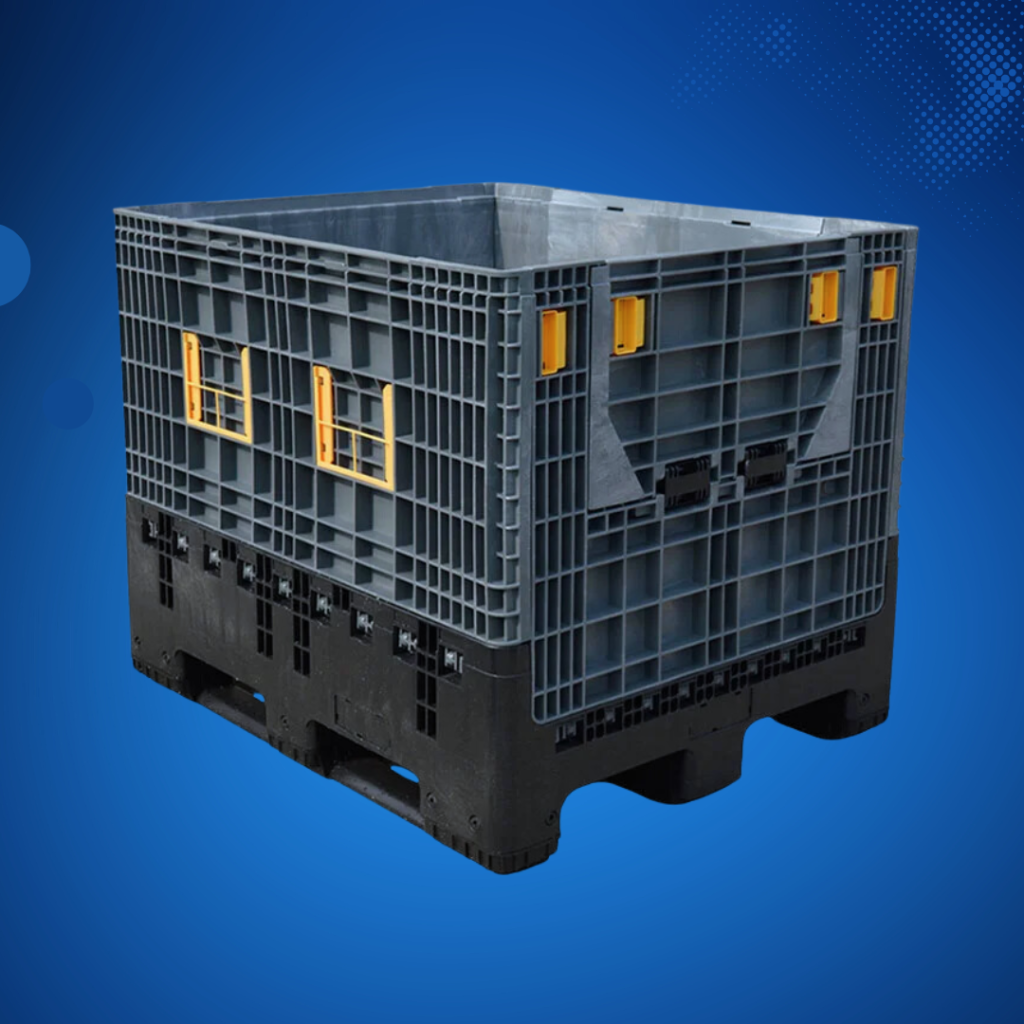
In today’s fast-moving UK logistics sector, efficiency, space optimisation, and durability are no longer optional—they are operational necessities. From manufacturing hubs in the Midlands to distribution centres serving nationwide retail networks, businesses are under constant pressure to move goods safely while keeping storage and transport costs under control. This is where the solid collapsible pallet container has become an increasingly important asset across UK supply chains.Designed for repeat use and demanding environments, these containers offer a practical balance between strength, hygiene, and flexibility, making them a preferred choice for modern logistics operations.

Understanding Solid Collapsible Pallet Containers

A solid collapsible pallet container is a heavy-duty storage and transport unit made from robust plastic or polymer materials. Unlike mesh or open-sided pallet boxes, solid-wall designs fully enclose the contents, providing better protection from dust, moisture, and contamination. The collapsible feature allows the container to fold down when empty, significantly reducing return transport volume and warehouse space requirements.In the UK, where logistics costs are closely tied to fuel prices, storage efficiency, and sustainability targets, collapsible pallet containers are widely adopted as a long-term packaging solution rather than a one-time-use option.

Key Uses in UK Logistics Operations

Across UK logistics networks, solid collapsible pallet containers are commonly used in automotive manufacturing, food processing, pharmaceuticals, retail distribution, and industrial supply chains. Their enclosed structure makes them particularly suitable for transporting high-value or sensitive components, such as automotive parts, engineered assemblies, and packaged food products.In regional distribution centres, these containers help streamline material handling by allowing goods to be stacked securely without compromising stability. For companies operating reverse logistics or closed-loop supply chains, collapsibility plays a major role in reducing empty-load transport costs and improving fleet efficiency.

Benefits That Support Operational Efficiency

One of the main reasons UK logistics managers choose solid collapsible pallet containers is durability. Built for repeated handling with forklifts and pallet trucks, these containers withstand impact and heavy loads far better than traditional wooden pallets or disposable packaging.Hygiene is another critical benefit, especially in food and pharmaceutical logistics. Smooth internal surfaces are easy to clean and resistant to moisture absorption, helping businesses meet strict UK and EU compliance standards. From a sustainability perspective, reusability reduces packaging waste and supports corporate environmental goals, which is increasingly important for UK-based manufacturers and distributors.

Types and Configurations Available

Solid collapsible pallet containers are available in various footprints and load capacities to suit different logistics needs. Some models are optimised for bulk storage, while others are designed for lightweight components or high stacking requirements. Options such as drop doors, reinforced bases, and compatible lids allow businesses to customise containers based on access, protection, and automation compatibility.Selecting the right configuration often depends on how the container integrates into existing warehouse systems, including racking, conveyor lines, and return logistics cycles.

Choosing the Right Manufacturer or Supplier in the UK

When investing in solid collapsible pallet containers, choosing a reliable UK-based manufacturer or supplier is just as important as selecting the right product design. Quality materials, consistent manufacturing standards, and long-term availability all play a role in total cost of ownership.Companies like Raiden Industries are known within the industry for providing robust, logistics-ready pallet container solutions that align with the demands of UK supply chains. Working with an experienced manufacturer ensures access to technical guidance, customisation options, and dependable after-sales support, which are crucial for large-scale logistics operations.

Conclusion

Solid collapsible pallet containers have become a core component of efficient UK logistics, offering durability, space savings, and long-term cost benefits across multiple industries. Their ability to protect goods, streamline transport, and support sustainable operations makes them a smart investment for businesses looking to optimise their supply chains.For organisations planning to upgrade their logistics infrastructure, the next step is simple: choose a reliable manufacturer in the UK who understands local operational challenges and delivers proven, high-quality solutions.

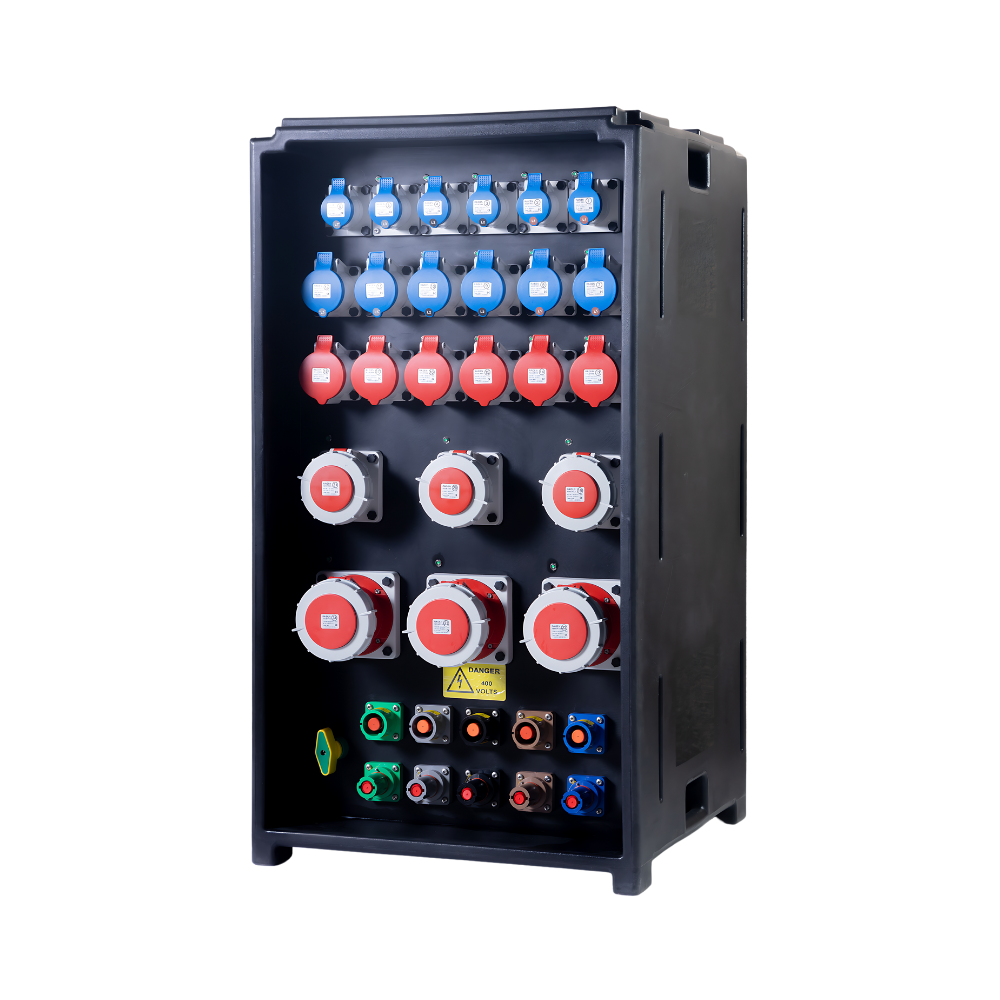
Live concerts and large-scale shows are built on energy, emotion, and precision. While the audience sees lights, sound, and visuals working in perfect sync, behind the scenes there is a critical system ensuring everything runs safely and without interruption—the event power distribution board. For event engineers, production teams, and contractors, setting up the right power distribution system is not optional; it is fundamental to the success of the show.

Why Power Distribution Matters in Live Events

Concerts and shows rely on multiple high-load electrical systems operating simultaneously. Sound systems, LED walls, moving lights, stage motors, control desks, and temporary site facilities all draw power at different levels. A standard electrical panel cannot handle these demands safely. This is where an event power distribution board becomes essential.A properly designed board ensures stable power flow, load balancing, circuit protection, and safe isolation. It reduces the risk of power failure, equipment damage, and safety hazards, especially in temporary setups where conditions change rapidly.

Understanding Event Power Distribution Board Setup

An event power distribution board acts as the central hub that receives incoming power from generators or mains supply and distributes it across multiple circuits. Each output is protected and controlled, allowing technicians to manage power efficiently throughout the venue.In concert environments, setup typically involves planning the total load, separating lighting and audio circuits, and ensuring redundancy for critical systems. The board must be configured to handle peak loads during performances while maintaining consistent voltage levels. This level of planning is what separates professional event infrastructure from risky temporary wiring.

Applications in Concerts and Live Shows

Event power distribution boards are used across a wide range of live entertainment environments. Outdoor music festivals depend on them to distribute generator power across large sites. Indoor arenas and exhibition halls rely on them to supplement fixed electrical systems. Touring productions use modular boards that can be transported, connected, and commissioned quickly in different venues.Beyond concerts, these boards are equally vital for theatrical productions, corporate shows, broadcast events, and temporary installations where reliability and safety are non-negotiable.

Key Benefits of Using the Right Distribution Board

A professionally built event power distribution board improves operational safety by incorporating protection devices such as MCBs, MCCBs, and RCDs. These safeguards protect both equipment and personnel from overloads and electrical faults.Another major benefit is scalability. As event requirements change, circuits can be added or redistributed without reworking the entire system. This flexibility is particularly important for multi-day shows or touring setups where power demands vary from venue to venue.Efficiency is another advantage. Proper load management reduces energy waste, improves system performance, and extends the lifespan of expensive audio-visual equipment.

Types of Event Power Distribution Boards

Event power distribution boards are available in different configurations depending on application. Single-phase boards are often used for smaller stages or auxiliary systems, while three-phase boards are standard for large concerts and festivals.Portable distribution boards are designed for quick deployment and rugged use, often housed in weather-resistant enclosures. Fixed or semi-fixed boards are commonly used in venues that host frequent events and require consistent power layouts.Choosing the right type depends on load requirements, environmental conditions, and the scale of the production.

Choosing the Right Supplier or Manufacturer

Selecting a reliable manufacturer is just as important as choosing the right board. Poorly designed power distribution systems can lead to downtime, safety incidents, and reputational damage. Engineers and contractors should look for manufacturers with proven experience in event and industrial power solutions, compliance with UK and international standards, and the ability to customize configurations.Many professionals prefer working with manufacturers who understand real-world event challenges, such as rapid setup times, transport durability, and safe operation under varying loads. Companies like Raiden Industries are often referenced in the industry for their focus on robust design, safety compliance, and practical event applications. When a manufacturer understands both engineering and live event demands, it reflects in the reliability of their equipment on site.

Compliance and Safety Considerations

In the UK, event power distribution boards must meet strict electrical safety regulations. Compliance with BS standards, proper earthing, and certified components are essential. Using non-compliant equipment not only increases risk but can also result in event shutdowns or insurance issues.Working with a reputable supplier ensures that boards are tested, documented, and ready for use in professional environments.

Conclusion

A successful concert or live show depends on more than performance and production—it depends on power systems that work flawlessly behind the scenes. A well-planned event power distribution board setup ensures safety, reliability, and operational efficiency in even the most demanding environments.For engineers, contractors, and event professionals, investing in quality power distribution equipment is an investment in risk reduction and performance excellence. When planning your next project, always choose a reliable manufacturer in the UK who understands the real demands of live events and delivers power solutions you can trust.


11Dec

Managing cables safely is a fundamental requirement across construction sites, outdoor events, warehouses, commercial buildings, and municipal environments. As foot traffic increases and accessibility standards become more regulated, the demand for ramps that balance durability, compliance, and usability has never been higher. Among these solutions, an ADA cable protection ramp stands out as the most reliable way to ensure both cable safety and accessible movement for people with mobility challenges. Understanding what makes these ramps effective—and how to evaluate top-rated models—helps engineers, contractors, and facility managers make informed decisions that enhance safety and compliance.

Understanding ADA-Compliant Cable Protection Ramps

The Americans with Disabilities Act (ADA) establishes strict guidelines for accessible pathways, including maximum slope gradients and surface textures that support wheelchair users, walkers, and pedestrians with mobility aids. When applied to cable management, these requirements transform a typical cable ramp into a thoughtfully engineered solution that eliminates tripping hazards, supports heavy loads, and provides a smooth crossing point for everyone.An ADA cable protection ramp typically features a wide, gently sloped surface that resembles a low-rise bridge rather than a steep threshold. This allows mobility devices to travel comfortably over cables without sudden elevation changes. The design is especially beneficial in public environments where accessibility compliance is mandatory, such as festivals, trade shows, retail centers, and government facilities.

Why ADA Cable Ramps Are Essential Across Industries

Many industries rely on extensive cable networks—whether for powering equipment, transmitting data, or operating temporary installations. Without proper management, exposed cables create a high-risk environment. Traditional ramps often solve the basic issue of protection but may not meet accessibility laws or support diverse foot traffic.ADA-compliant ramps bring a wider set of benefits. They reduce liability by ensuring organizations meet federal accessibility requirements, which is crucial for public event organizers and government contractors. They also improve operational flow, as equipment operators, visitors, and employees can move freely without barriers. In fast-paced environments like event venues or construction zones, a single obstruction can disrupt operations, making accessibility-focused ramps a strategic investment rather than a convenience.

Key Features of Top-Rated ADA Cable Protection Ramps

What separates a general cable ramp from a top-rated ADA-grade product is a combination of structural engineering, materials, and safety-driven design. High-quality ramps are manufactured from industrial-strength polyurethane or rubber compounds that withstand heavy loads, resist wear, and maintain traction in wet or oily conditions. The surface is often molded with a non-slip pattern to increase grip, reducing the chances of slips during high foot traffic or unpredictable weather.Another defining characteristic is the elongated, low-angle slope. ADA cable protection ramps are noticeably longer than standard models, giving users a gradual incline that supports wheelchair access. Many premium ramps also incorporate interlocking or modular designs, allowing contractors to create continuous protected pathways across larger installations.The internal cable channels are engineered to keep power lines, hoses, and data cables secure without compressing them. This prevents insulation damage and signal interference, two issues that can lead to costly downtime.

Where ADA Cable Ramps Are Most Commonly Used

The versatility of these ramps makes them suitable for a wide range of applications. Large outdoor events rely heavily on cable protection systems to safely route electrical lines for audio, lighting, and video equipment. Event organizers prefer ADA-certified ramps because they ensure compliance with accessibility regulations, especially in areas designed for public congregation.Construction sites and industrial facilities use these ramps to protect cables running across temporary walkways or drive lanes. Because ADA ramps are stable and wide, they support not only pedestrians but also carts, lifts, and wheeled equipment. In corporate environments, they are commonly installed during renovations, IT upgrades, or conferences where temporary wiring is necessary.Municipal agencies also utilize ADA cable protection ramps during street fairs, emergency response setups, and public works projects. Their bright, high-visibility colors improve awareness, while their structural resilience helps maintain safe passage in high-impact areas.

How to Choose the Right ADA Cable Protection Ramp

Selecting the right ramp depends on the specific operational environment, cable load, and accessibility requirements. Engineers and site planners typically begin by assessing the number and size of cables to be protected. High-capacity ramps with large internal channels are ideal for power-intensive applications, while smaller channels work well for data cables or communication lines.The surface environment also plays a major role. Outdoor sites exposed to weather benefit from UV-resistant materials and slip-resistant textures. Meanwhile, indoor facilities may prioritise aesthetics or quieter operation, making softer rubber compounds more suitable.Another critical factor is supplier reliability. Reputable manufacturers offer tested, certified products that genuinely meet ADA specifications rather than loosely interpreted guidelines. They provide clear load-bearing data, setup instructions, and long-term maintenance advice. Choosing a UK-based manufacturer or distributor also ensures faster delivery, easier support, and product compliance with local safety standards.

Conclusion: Choosing High-Quality, ADA-Compliant Cable Ramps in the UK

As safety standards continue to evolve, investing in an ADA cable protection ramp is no longer optional—it is a practical requirement for any environment where accessibility and cable safety intersect. Top-rated ramps provide long-term durability, structural integrity, and legal compliance, making them essential for engineers, contractors, and event professionals who cannot compromise on safety.


About Us
Raiden is guided by its corporate philosophy to uphold the highest standards of professionalism, business ethics, service and quality. Its reliable commitment to deliver only the best to its customers is the driving force behind the growth of the group, not just in size but also in the depth of knowledge and innovation.


  • Unit 3, Raiden industries, 182 Moseley street, Birmingham B120RT, United Kingdom
I BUILT MY SITE FOR FREE USING